
WinterRules.
Stateless. Fearless.

Under a century-old Lebanese law, citizenship passes only through men. Fathers to children, husbands to wives. Whole generations are born stateless, refugees in their own country. Sara is one of them. Born in Beirut to a Lebanese mother, she does not exist to the state.
The father who could have given her his name abandoned her at birth. At nineteen, she has no legal identity in the only country she has ever known.
When Sara learns her long-lost father, Ibrahim, is now a wealthy Lebanese citizen, she takes a job as a live-in maid in his mansion under a false name, determined to make him see her and to claim the place in the world she was denied.
But Ibrahim is not the man she imagined, and the closer she gets, the more dangerous the ground beneath her becomes. What follows is an intimate, devastating reckoning, and a choice about how far she will go to exist on her own terms.
WINTER RULES puts the audience inside Sara's experience and holds them there. At her shoulder through the checkpoints and the queues, in the crowded streets and the silent rooms of her father's house, close enough that what presses on her presses on us.
Sara's story opens onto larger ones, statelessness, belonging, the cost of a system that decides who counts. But the film never argues them. It trusts the audience to leave the cinema carrying the questions, and to keep turning them over long after.
At the same time, it is intent on revealing the humour and the light within the darkness and drama of Sara's struggle, echoing Jean de La Bruyère's notion that life is a tragedy for those who feel and a comedy for those who think.
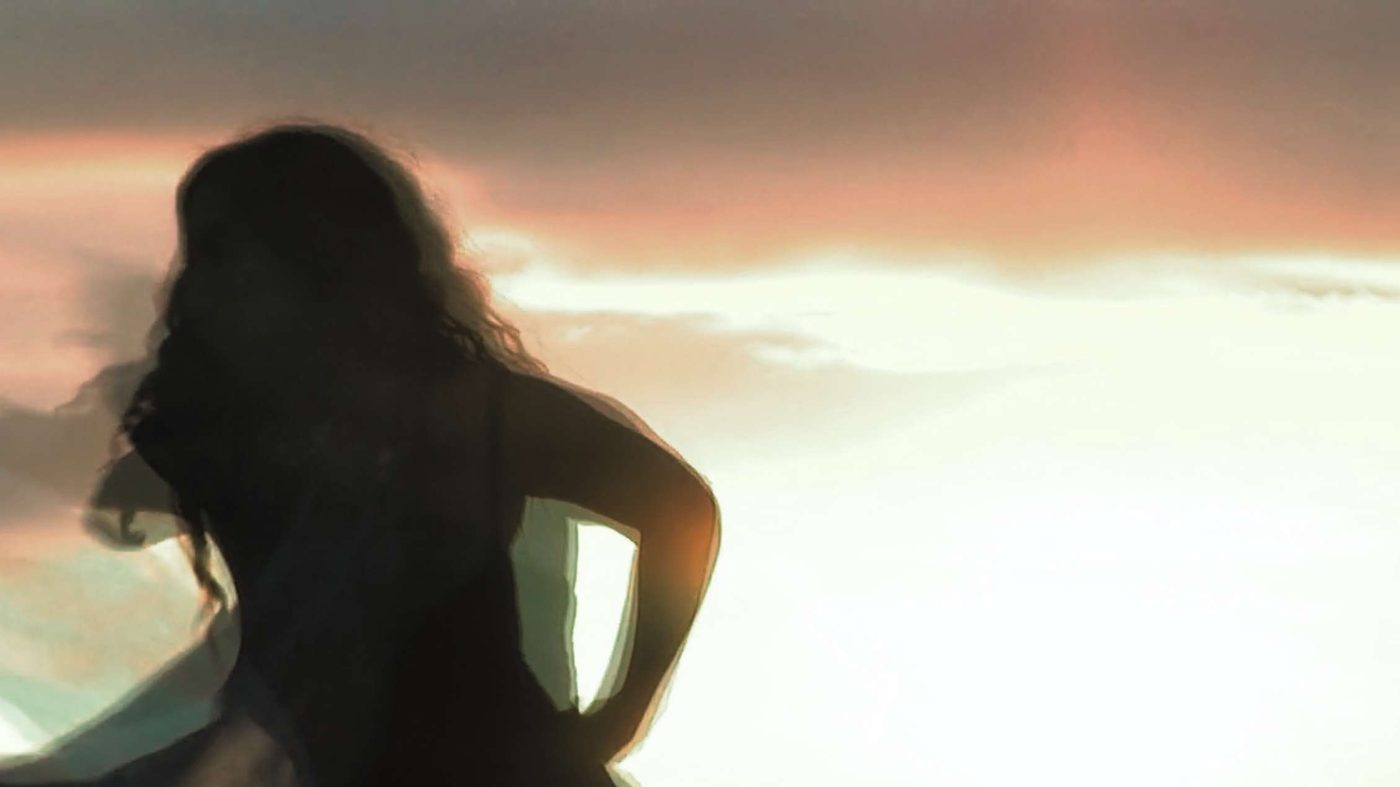
Sara is nineteen and stateless, born in Beirut to a Lebanese mother but unrecognised by the country that raised her.
For Sara, statelessness is not an idea. It is a wall across every door. No papers, no work she can claim, no way to leave, no future the state will let her build. She has spent her whole life pressed against it, and she is done waiting for it to move.
So when she learns her estranged father is alive and a wealthy Lebanese citizen, she sees a way out and takes it. She tells herself it is about the papers, the legal status that would finally let her work, travel, exist.
She goes to him. Not to ask, but to take her place.
What she wants from him is a country. What she comes to want is for him to look at her and know who she is. What she finds is far more complicated.
Ibrahim Saleh came from nothing. At ten, he lost his mother and was left to claw his way through life unseen. From that void grew a hunger, not for love, but for control.
He learned early that charm and intimidation opened doors faster than sincerity. A hustler turned power broker in Beirut's shadow economy, thriving on fear and desire.
For all his cynicism, Ibrahim carries a strange sentimentality: he looks to great philosophers, tends to his cat, and can't quite let go of his mother's love. Yet beneath the polish lies a man sustained by denial.
He built an empire and rewrote his story until the past he buried returns in the form of the daughter he abandoned at birth, forcing him to confront what remains of his humanity.
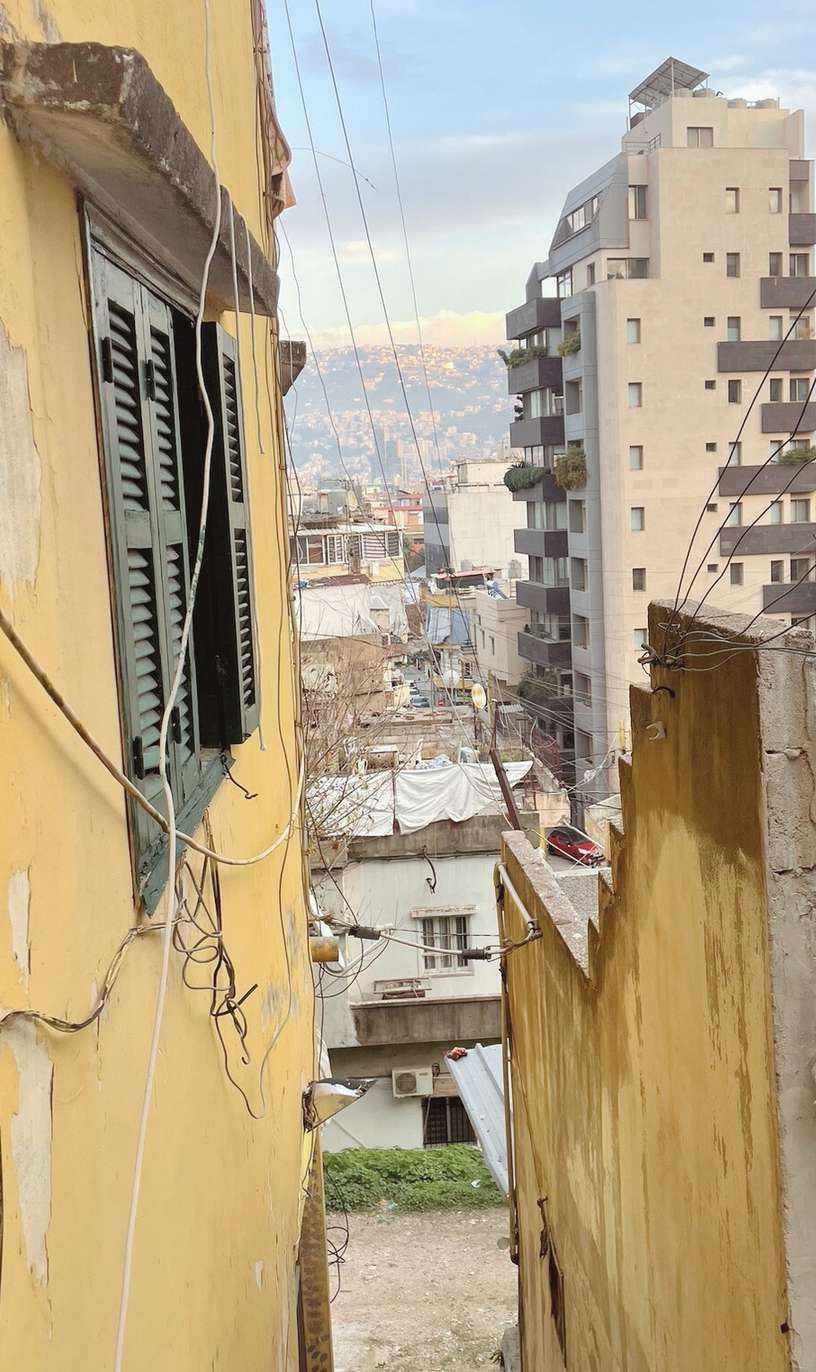
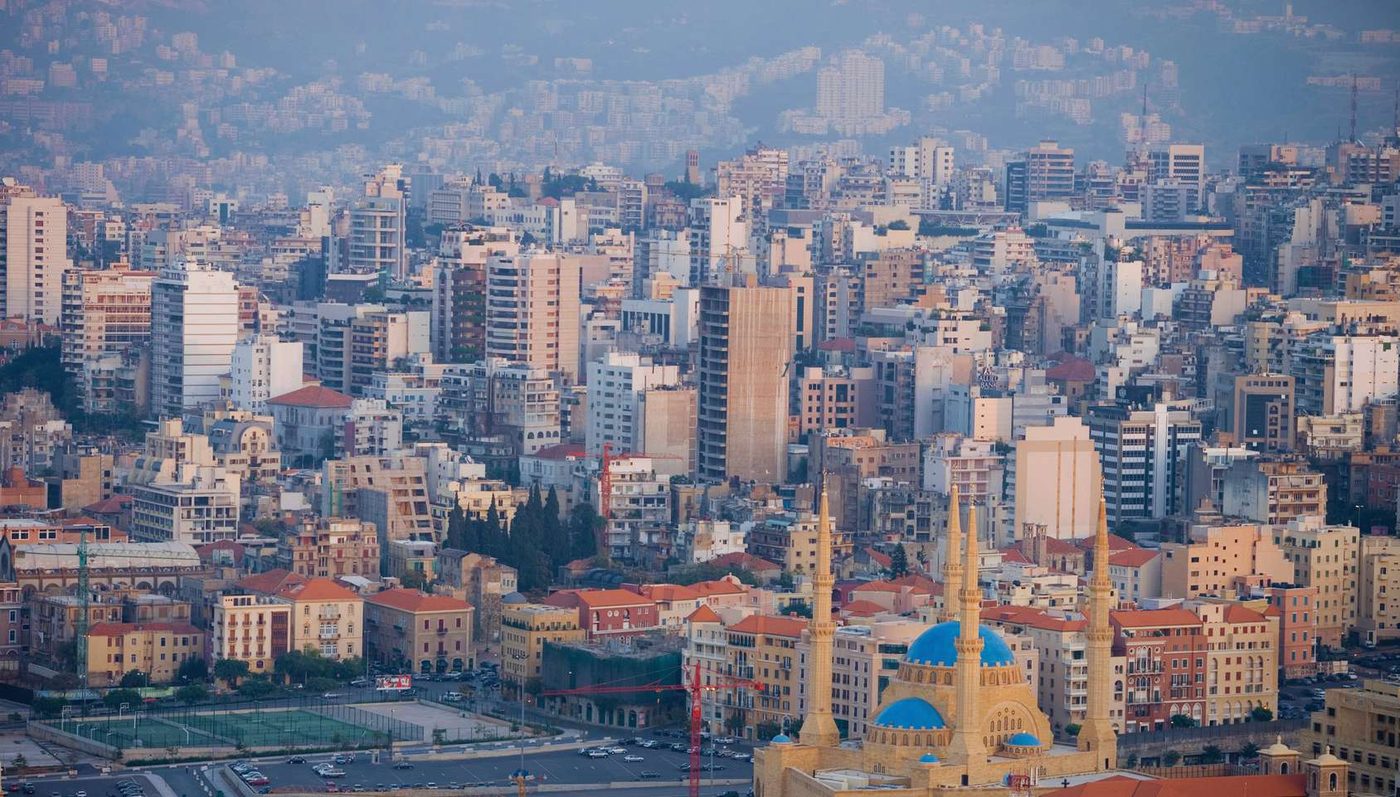
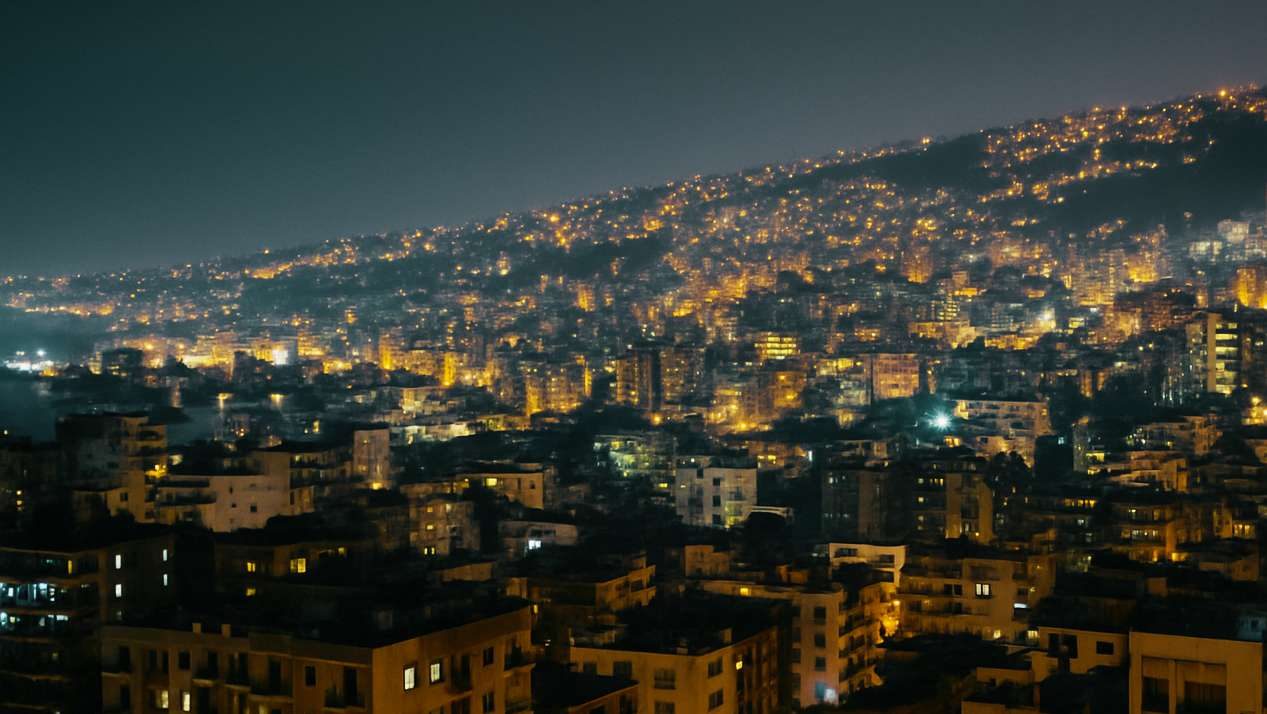
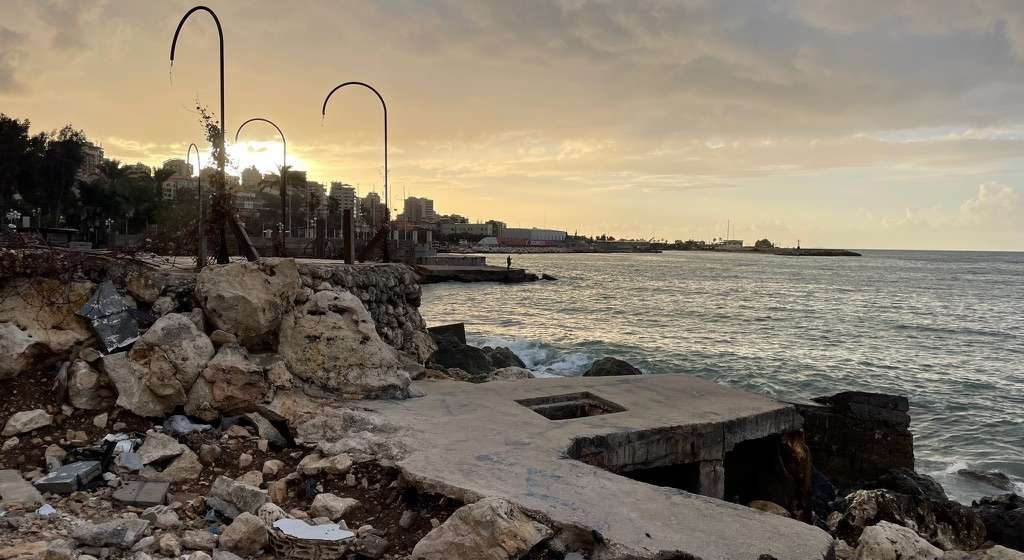
Beirut isn't a backdrop here. The city works on Sara directly, its energy and its despair shaping every choice she makes.
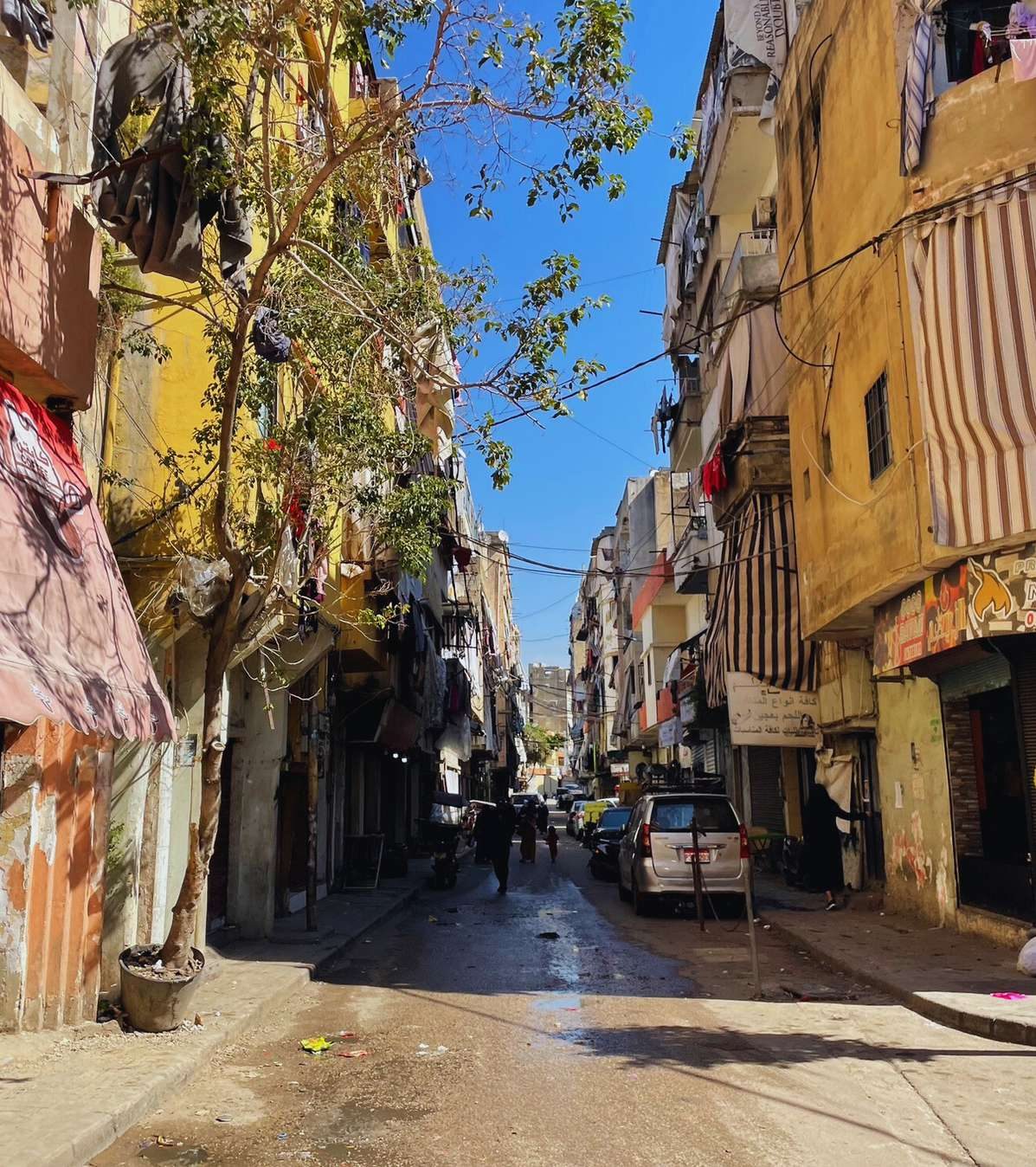
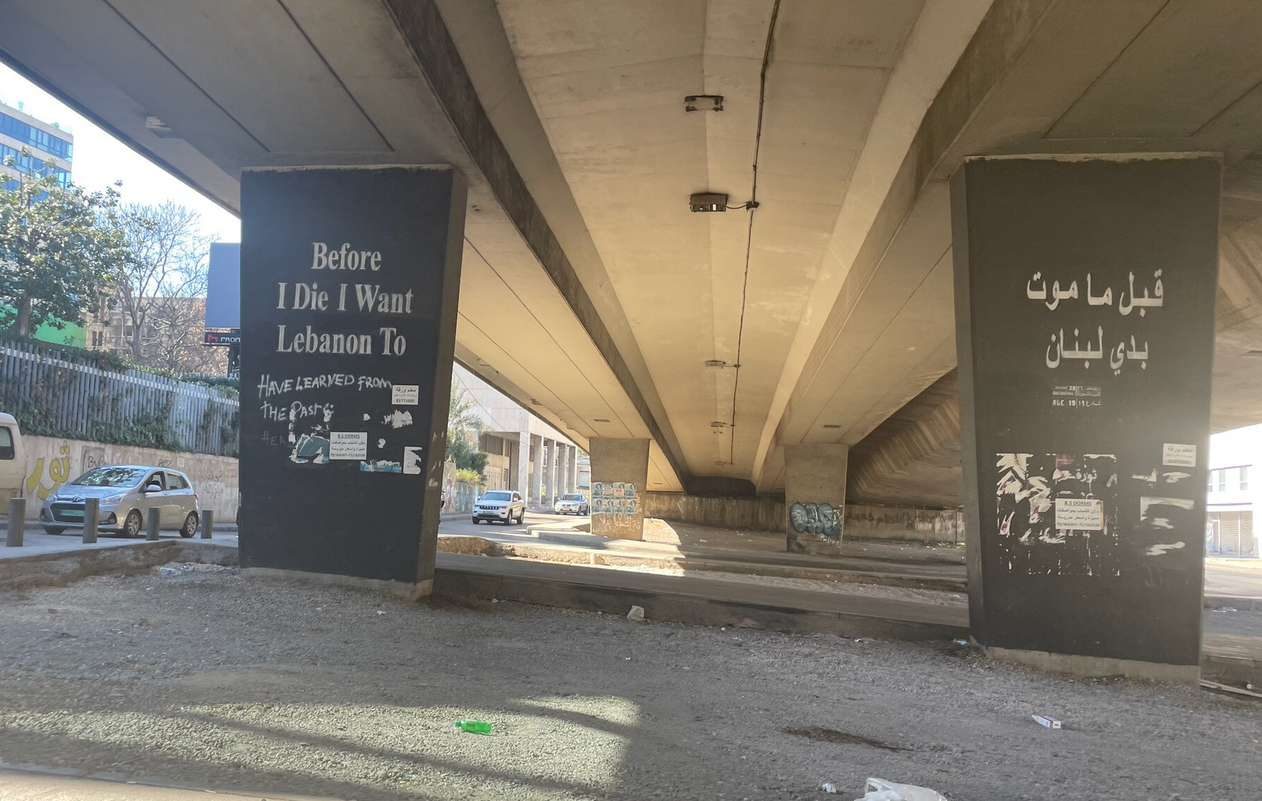
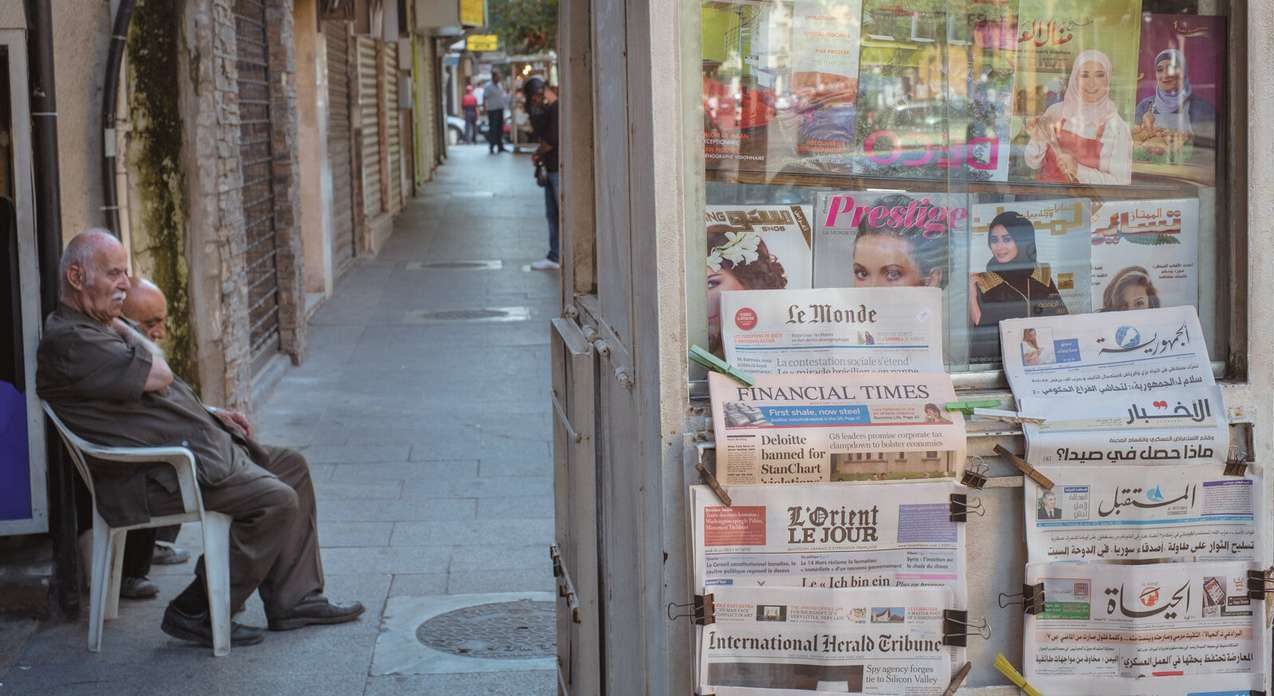
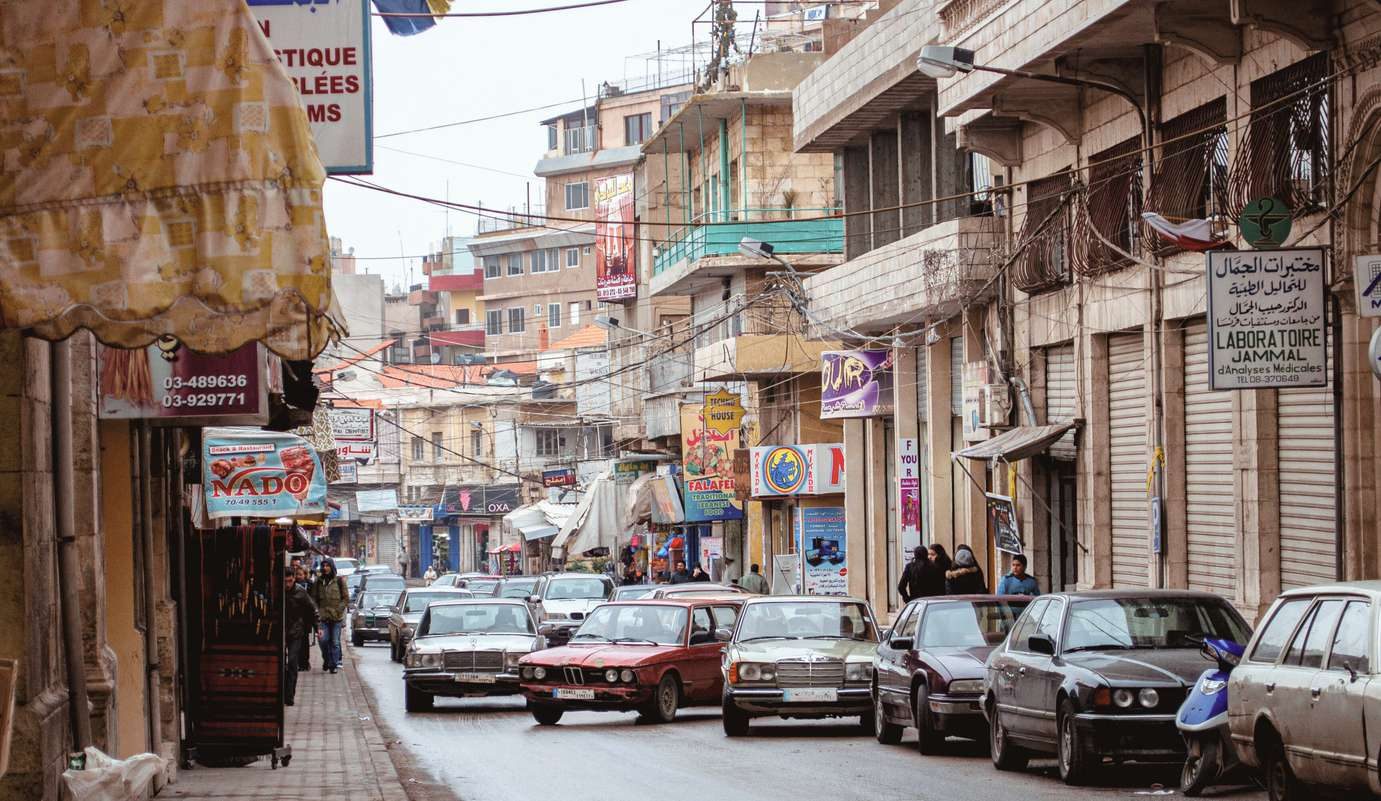
Key locations include labyrinthine alleyways tagged with politically charged street art, cramped cafes spilling onto busy sidewalks, faceless bureaucratic buildings, and the wealthy yet emotionally distant mansion of Sara's father.
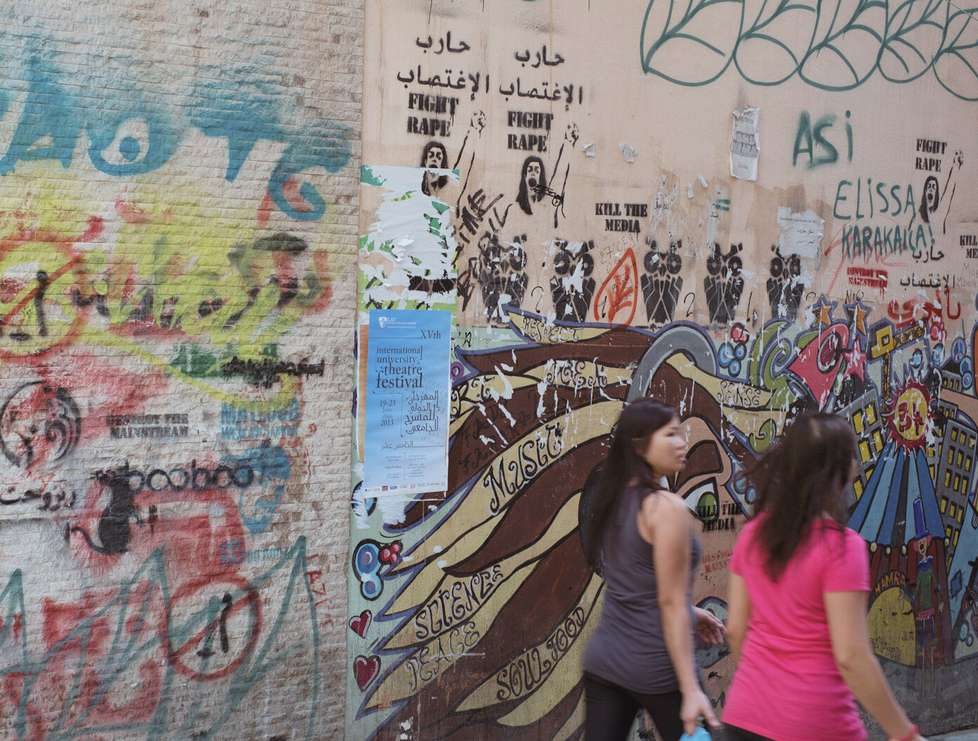
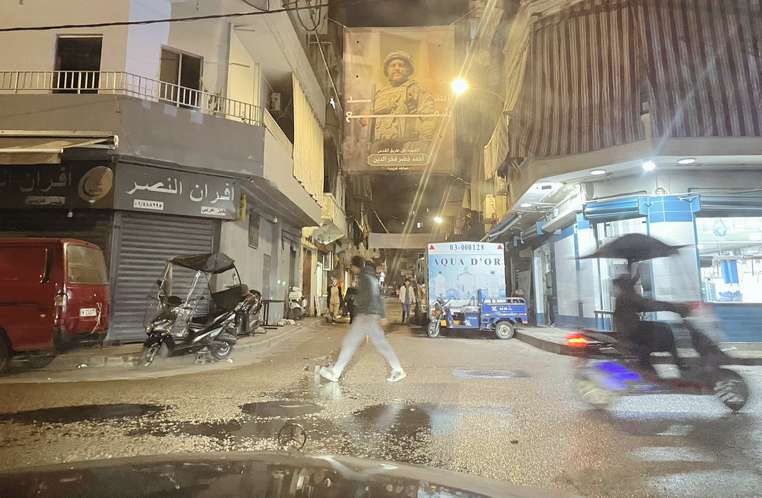
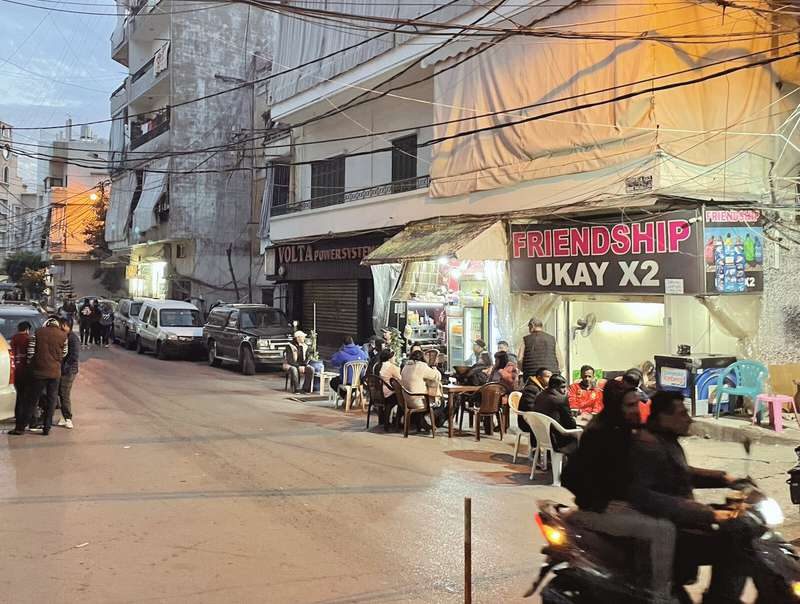
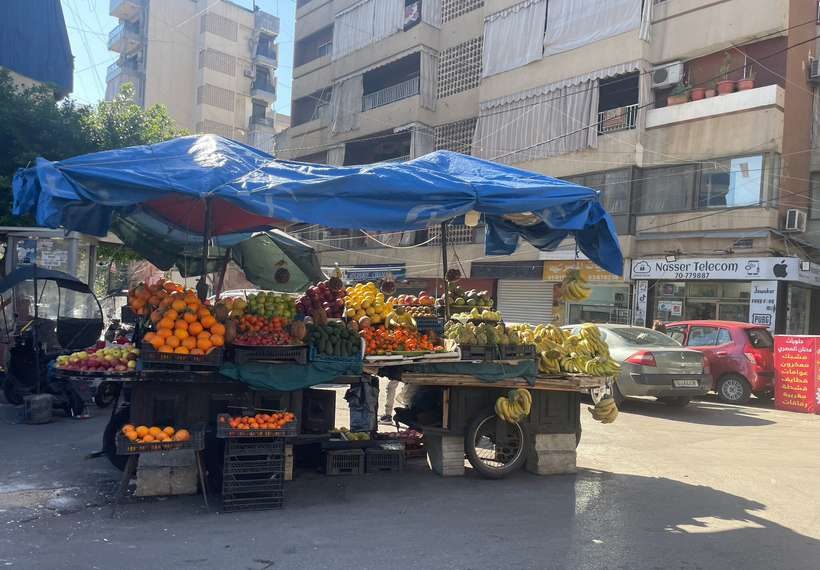
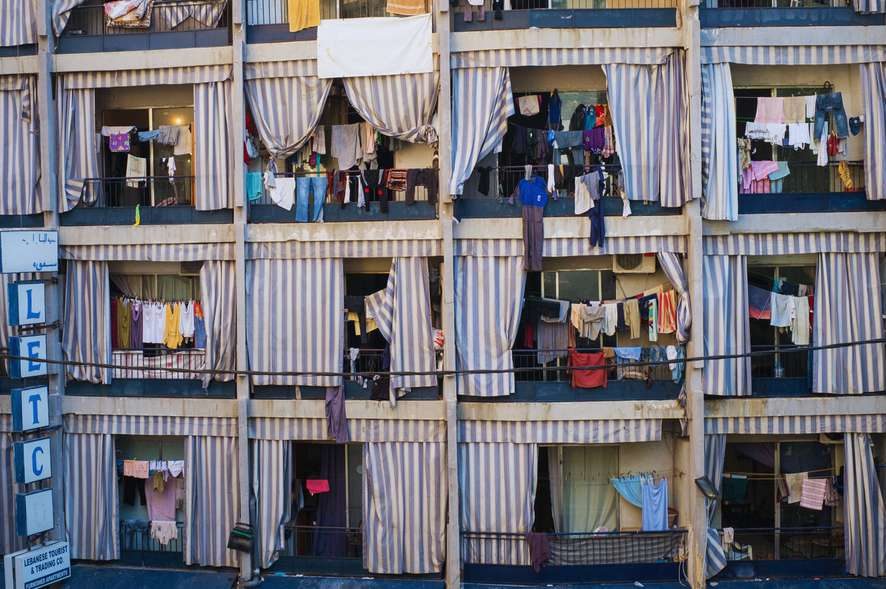
Beirut refuses to sort itself into rich and poor. A half-bombed building keeps a shop open on the ground floor. Children play football beside a generator belching black smoke. The beauty and the squalor share the same frame, and no one stops to point it out, because here that is simply the everyday.
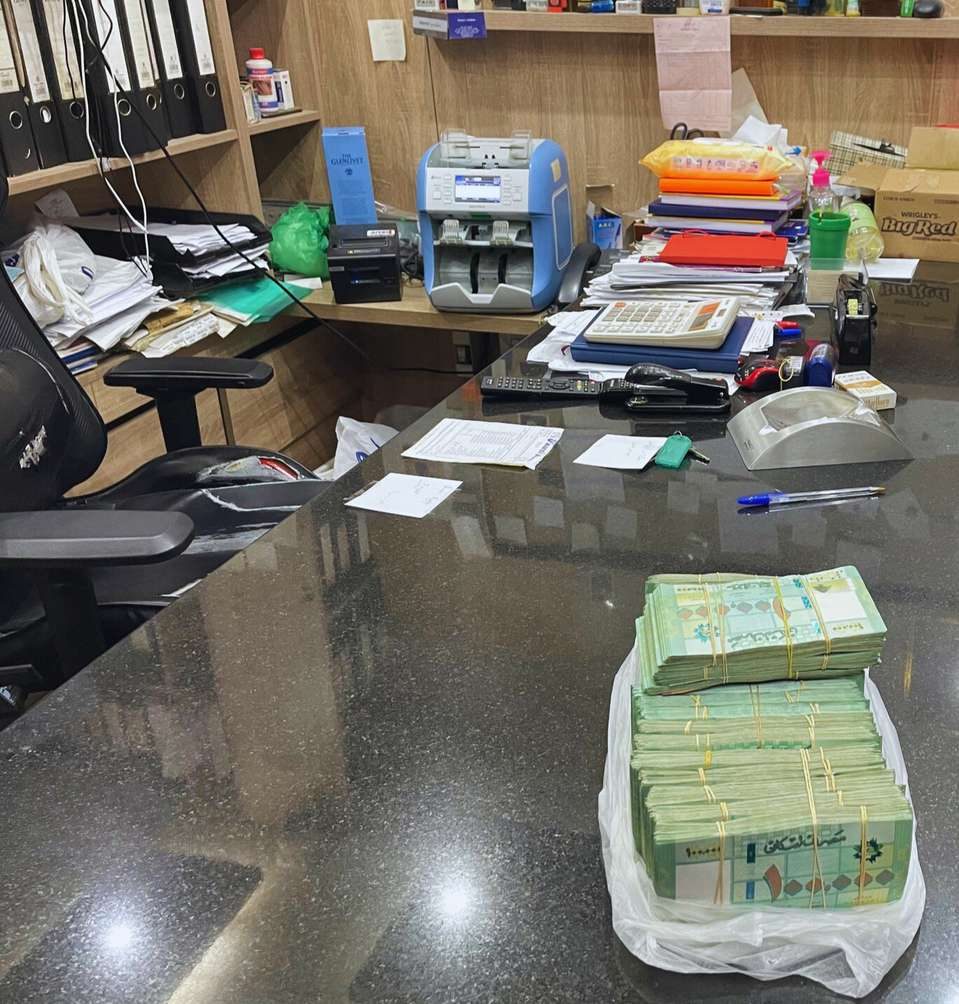
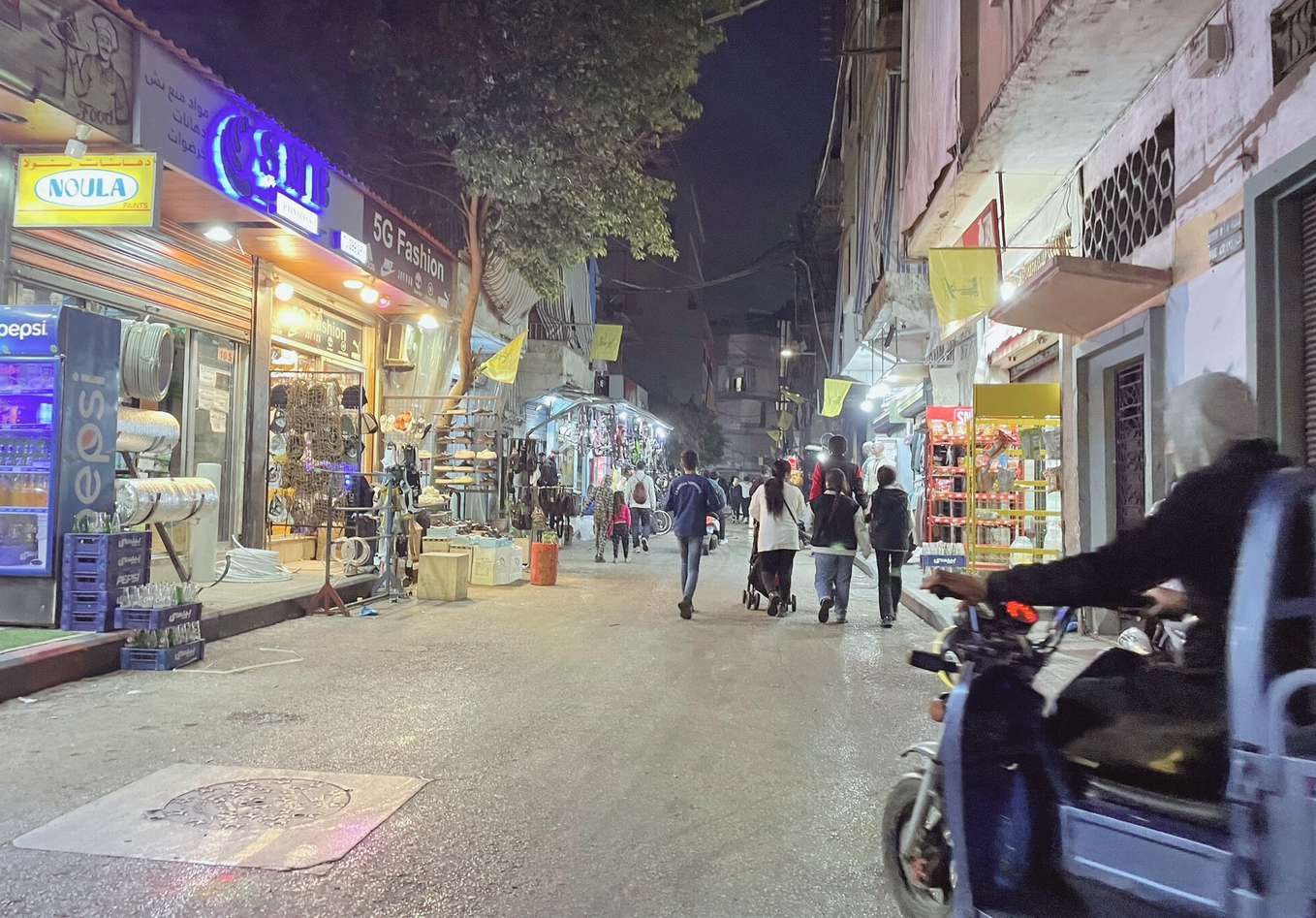
The camera belongs to Sara. In the streets that raised her it stays close and handheld, moving when she moves, in the chaos with her as she threads the alleyways and crowded markets. The moment she crosses into her father's mansion, it stops being hers. Fixed, composed, imposing. The house owns the frame, Sara becomes a visitor inside it, and the audience feels her demotion from lead to staff before a word is spoken.
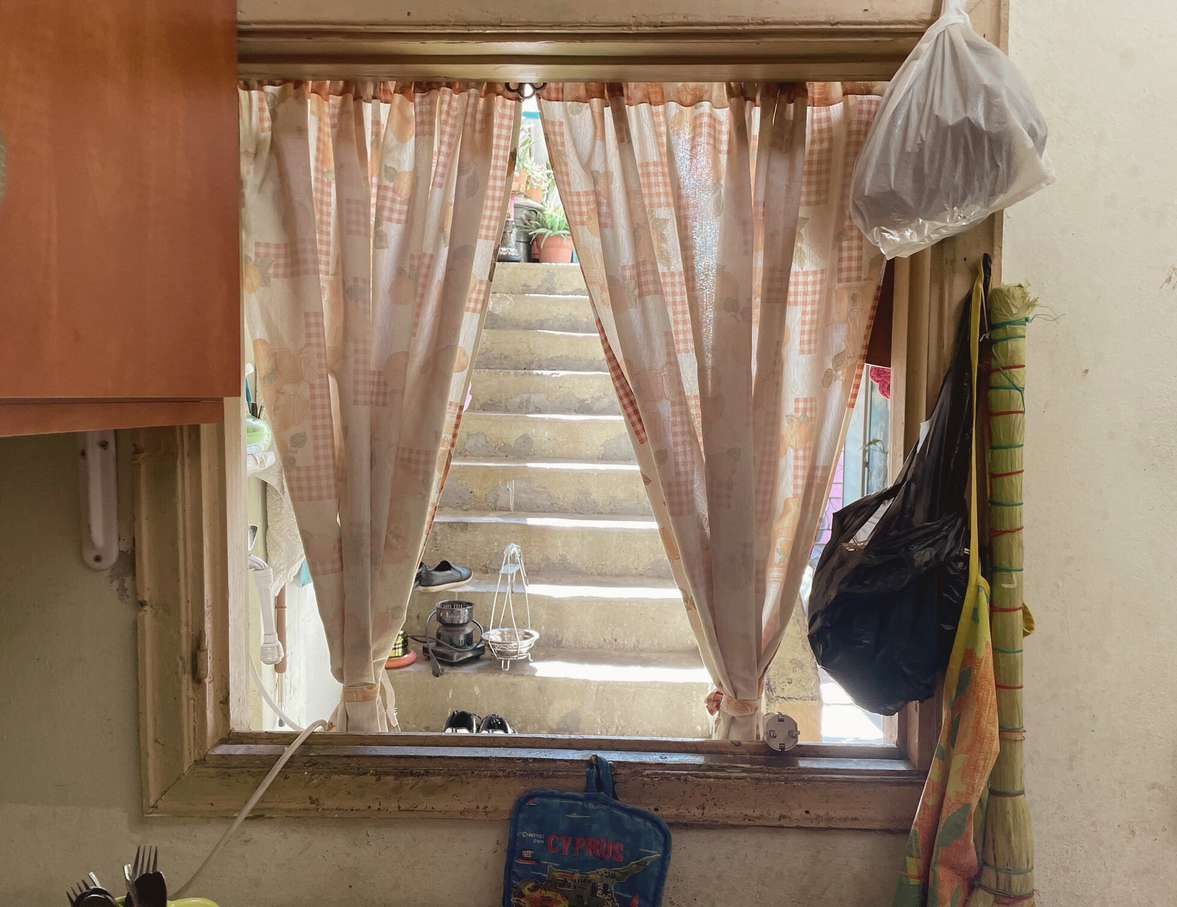
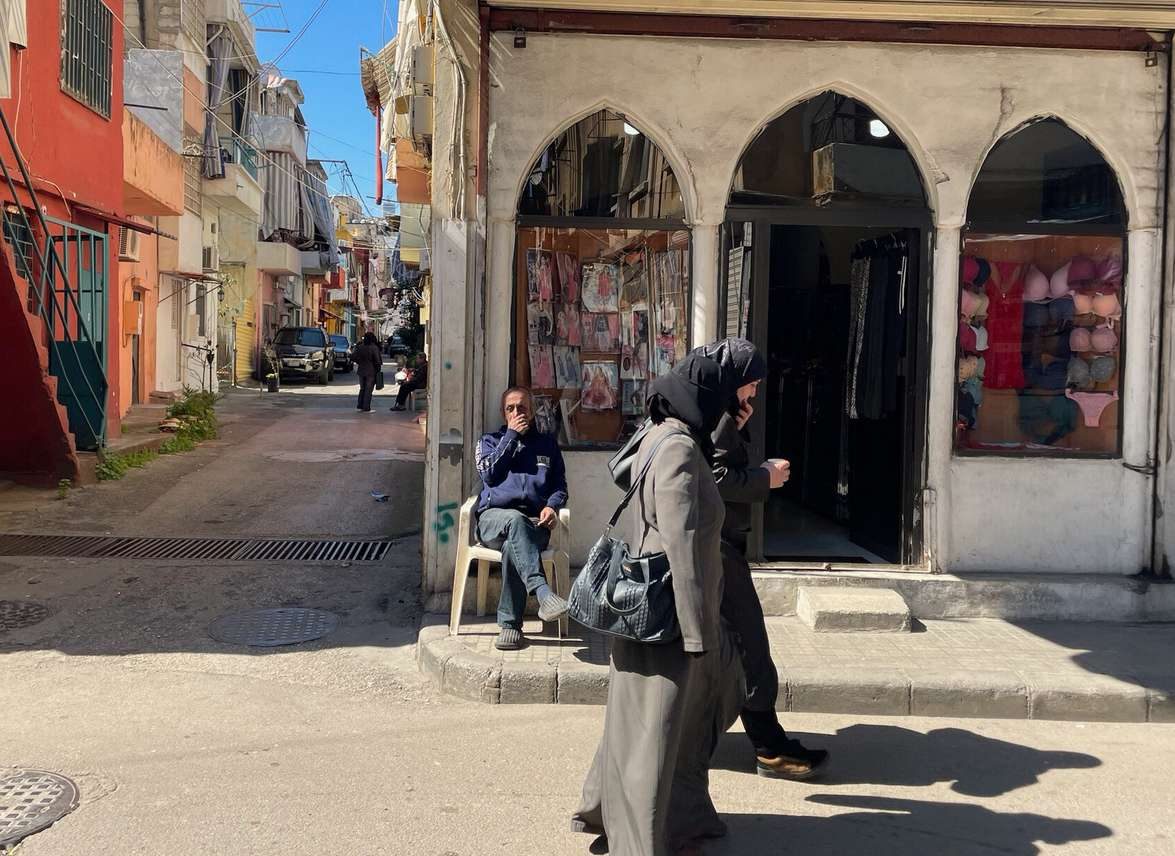
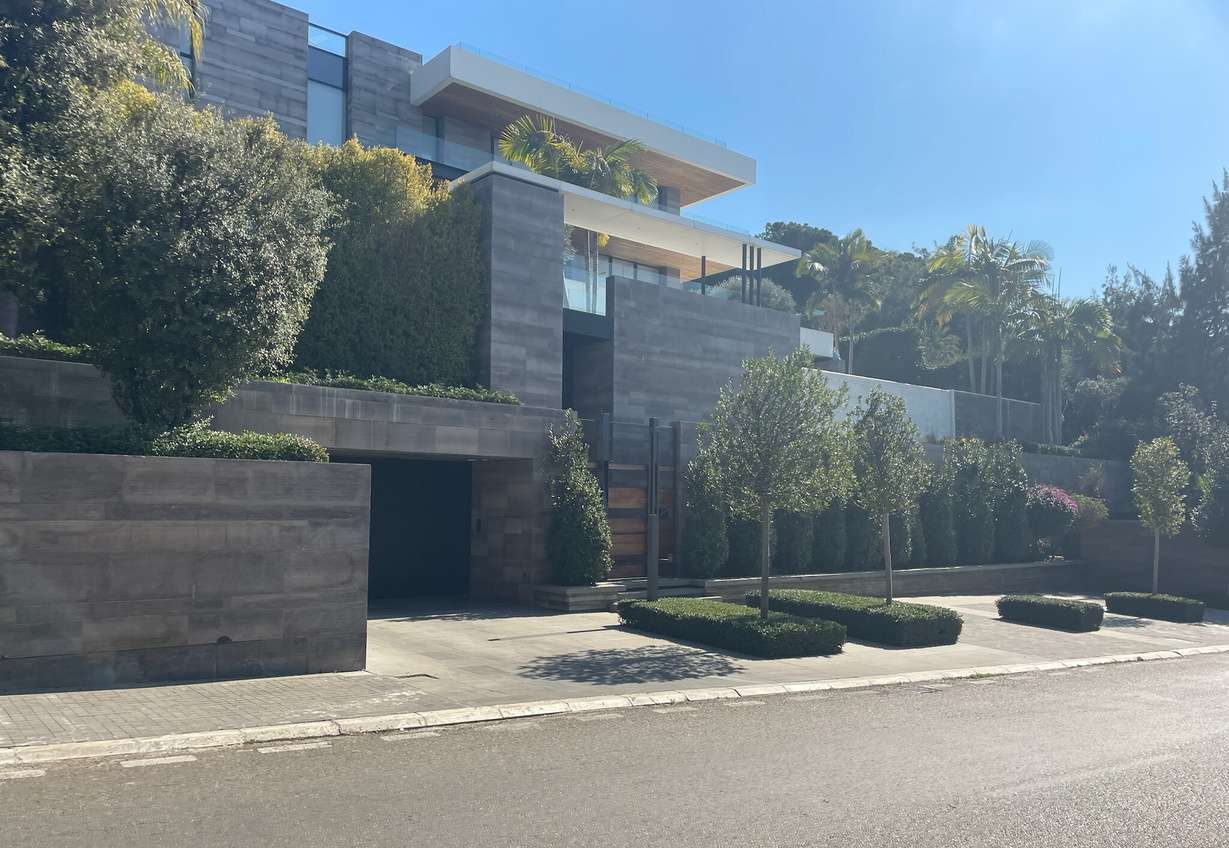
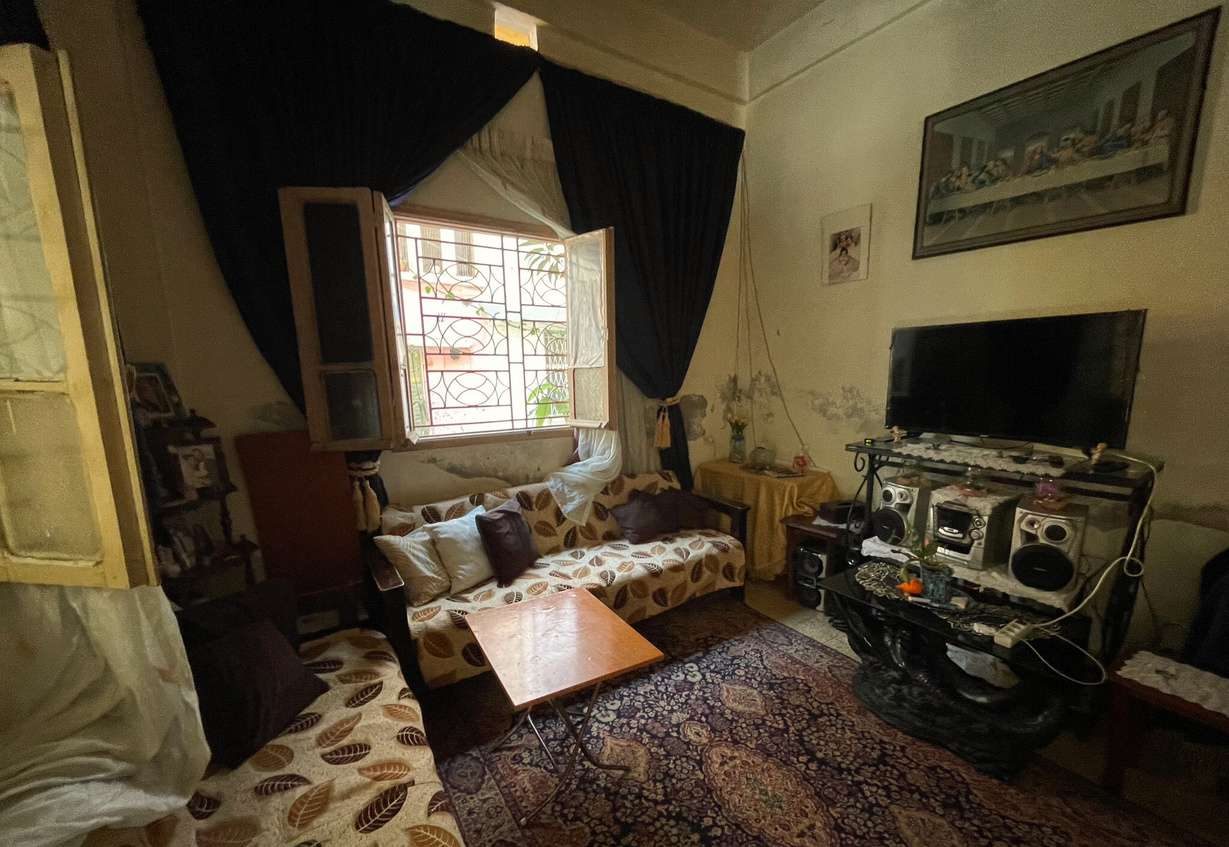
Light divides the same two worlds. Her neighbourhood is warm and natural, the glow of one lamp reaching as far as it can. The mansion is cooler and even, beautiful but distant, a place that looks like wealth and feels like exile.
Production design elements, from cluttered, mismatched furnishings of Sara's humble home to the sleek, cold luxury of Ibrahim's mansion, will visually underscore these class disparities.
The gap between the two spaces tells the story before anyone speaks. Class made physical, and Sara caught between worlds that each, in their way, refuse her.

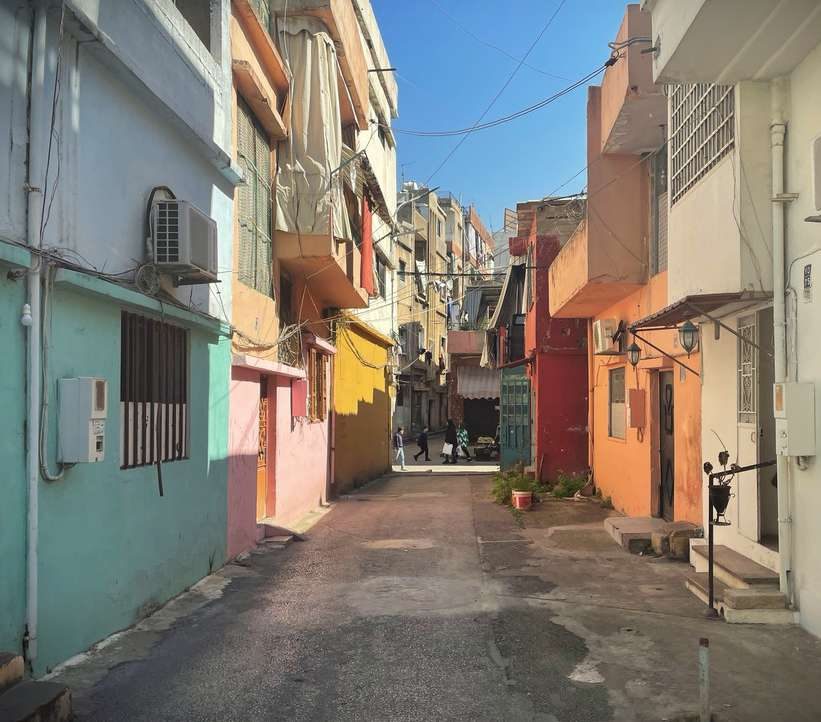
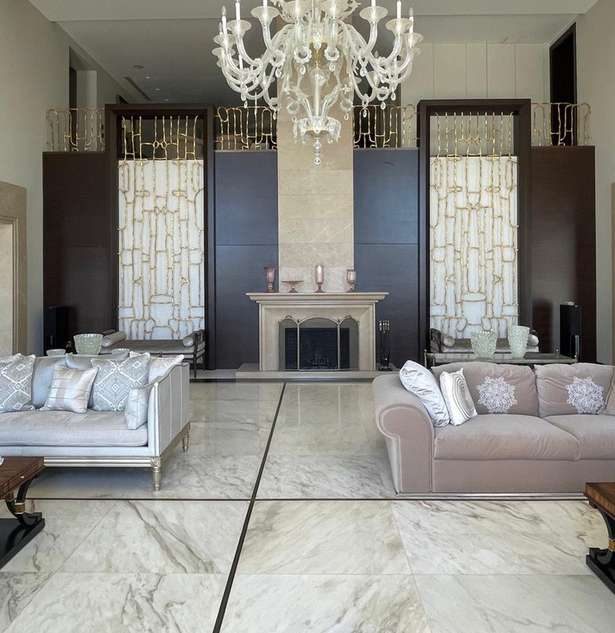
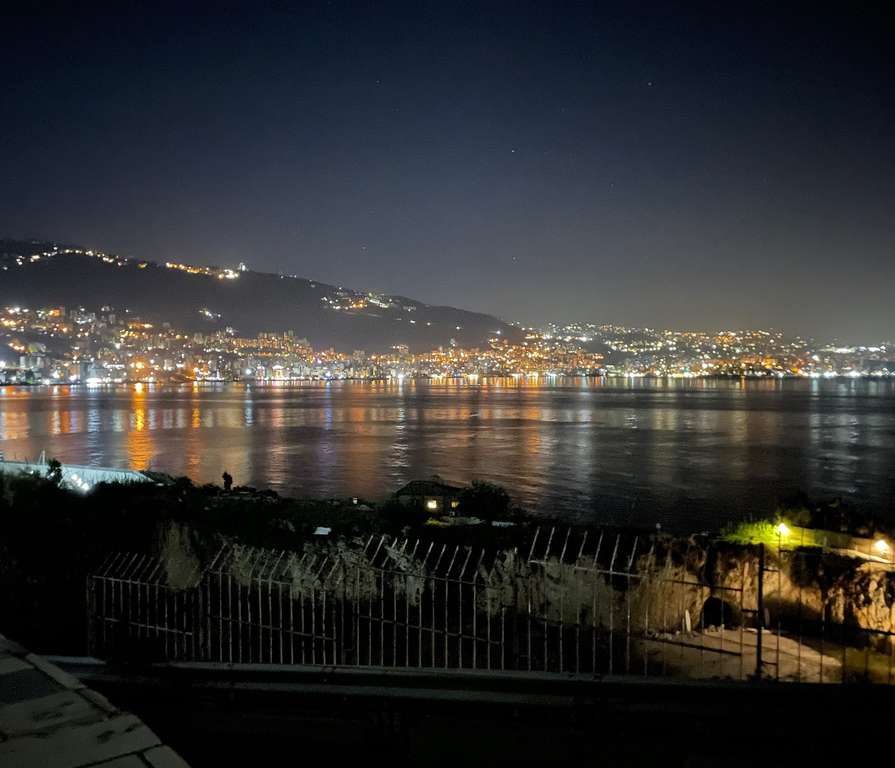
The film holds Sara's two worlds in tension: warm grain in the streets that raised her, cold blue inside the house that will not own her. Between them, a long night, with embers of home glinting in the distance. Dawn finds her at the start and the end. What changes between is everything.
The audience for this film already exists. The stories that cross over now are the specific ones, one life in one place, told with enough truth to travel, and they are the ones that last. WINTER RULES is built for that.
A young woman fighting to exist reads in any language, and Beirut gives it a world no other film can offer.

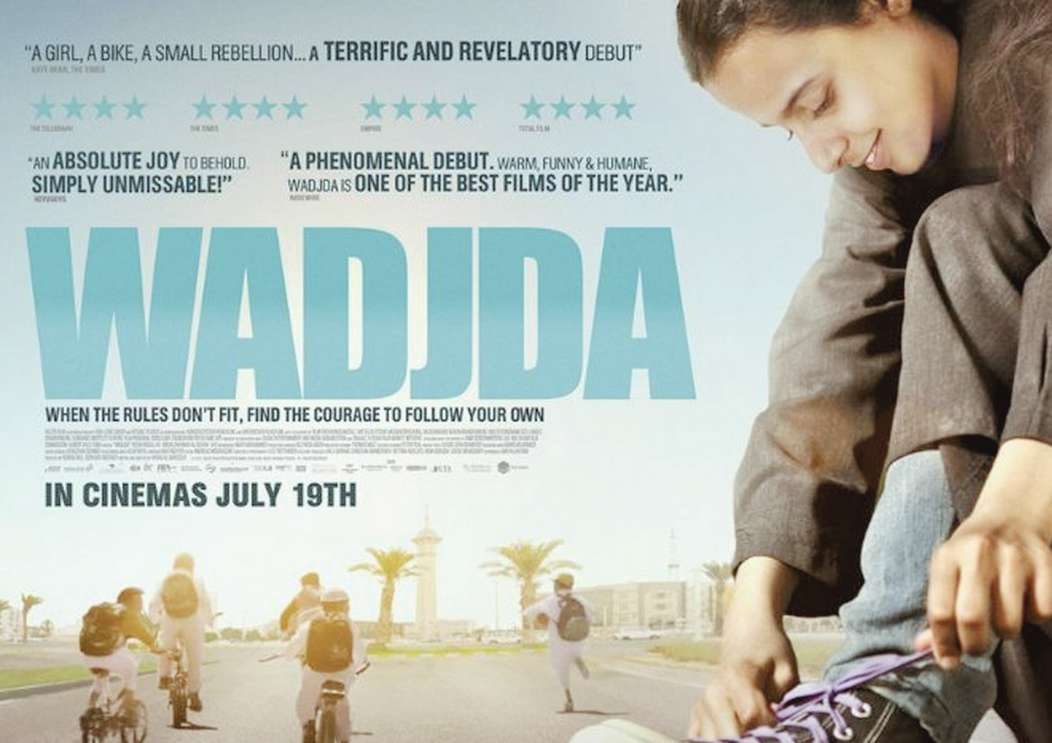
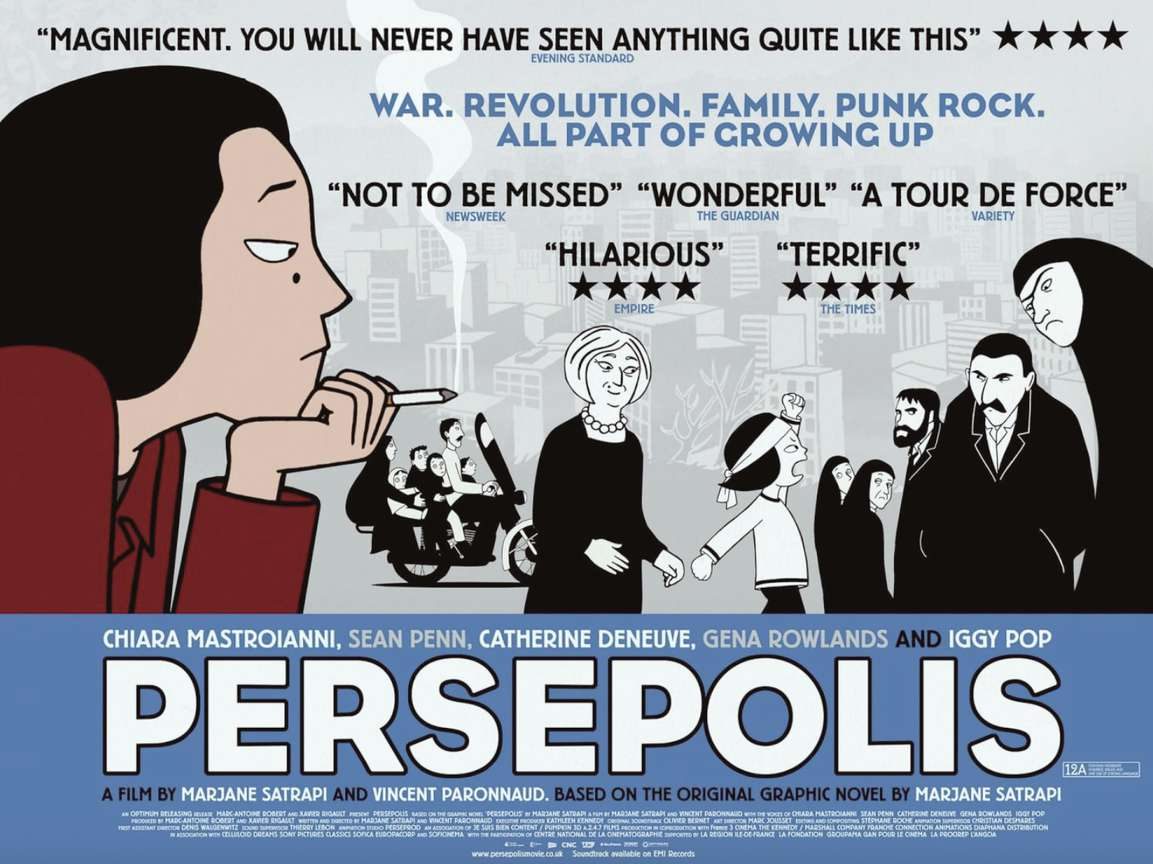
WINTER RULES sits in a line of films about young women who refuse the place they're given, alongside WINTER'S BONE, WADJDA and PERSEPOLIS.
It is the Prodigal Son turned inside out, the father the one who left, the child who comes home unrecognised. That is part of why it reaches past Beirut and lands somewhere older.
The law is the way in. Sara is the reason people stay. That is what carries a film like this past its festival run and into a wider audience.
WINTER RULES is built for audiences who come for character, the ones who stay with a film because a single life was rendered with enough truth to feel like their own. That audience fills specialist cinemas and festival seats, and that is where this film begins.
The way in is through doors already open. EVERYTHING IN BETWEEN screened at the 77th Cannes Film Festival, and we partnered with Giant Pictures, the distribution and technology partner of the Tribeca Festival. These are the kind of relationships a second feature builds on.
None of this is left to chance. The film is being made to travel from its first screening, with a clear plan to put it in front of the programmers and buyers who decide where a film like this goes.
DEVELOPMENT
The screenplay for WINTER RULES, penned by Nadi Sha and Grant Osborn, builds on their successful partnership from the critically acclaimed EVERYTHING IN BETWEEN, which competed at Cannes Cinéphiles of the 77th Cannes Film Festival.
With internationally seasoned producer Michael Wrenn on board, and Screen Australia and Screen NSW providing development support, the film is now in late-stage development, targeting financial close late 2026.
FILMING
WINTER RULES will be co-produced with Orjouane Productions, Lebanon's premier production house, led by Sabine Sidawi and credited with over 30 features and documentaries.
A team of celebrated industry veterans, including cinematographer Rachel Aoun (recent AMPAS inductee), whose collective work spans Cannes, TIFF, and Academy Award-nominated films, will join Sha Pictures to put Beirut on screen as it really is, and to keep the film as close to Sara as the script does.
FINISHING
WINTER RULES finishes in Australia. Dany Cooper ASE edits, her work running on emotional rhythm, where a scene breathes and where it holds its breath, which is what a film built on withholding needs. Rami Khalifé scores, a composer who holds intensity and restraint in the same bar without tipping into sentiment.
Unison Sound builds the sound world, led by Luke Mynott, who speaks Arabic and hears when Beirut sounds wrong. Stage23 handles the visual effects, used sparingly, because the film doesn't hide behind them.
Picture and sound finishing will be completed at The Post Lounge, Australia's premier independent post house, whose work spans Academy Award and Golden Globe-recognised productions.
We finish in time for the 2028 festival circuit, with Cannes' Quinzaine des Réalisateurs, Semaine de la Critique and Venice's Giornate degli Autori in our sights.